Sticky Notes vs. Notepads vs. Notebooks: How to Choose the Right Paper Tool
Choosing between sticky notes, notepads, and notebooks can feel confusing. All three are basic paper tools, but they solve different problems and suit different ways of working—whether you’re at a busy office or managing things at home. Here’s a practical comparison to help you pick the right one for reminders, lists, and notes.
When to Use Notepads
Notepads are pads of paper—usually glued or spiral-bound on one edge—with sheets designed to tear off easily. They’re what you often find by the phone, at hotel desks, or in meeting rooms.
What notepads are best for:
- Lists: To-do lists, shopping lists, phone messages, task breakdowns.
- Writing something you’ll need for a few days but probably won’t need again later.
- Taking quick notes in a meeting, conversation, or during a phone call.
- Passing notes or leaving instructions for others.
- Writing material to be pinned up or handed out (such as instructions or checklists.)
Durability and permanence:
- More durable than sticky notes: pages don’t fall off on their own, but they are easy to lose because they’re designed to be torn free and tossed or handed out.
- Notepads can contain more writing per page, so they’re ideal for short to medium-length info that doesn’t need to be filed long-term.
- Pages may get mixed up or lost unless you keep a dedicated spot for completed sheets or copy key info into a notebook.
Visibility and organization:
- Moderate. A notepad stays on the desk and is easy to glance at, but torn-off pages can be misplaced if you aren’t careful.
- Writing several lists? Notepads come in many shapes and sizes, including lined, grid, or blank; choose what fits your note-taking style.
Useful details:
- Some notepads now offer partial adhesive backs—making them serve as extra-large sticky notes—but most are traditional tear-off style.
- Many people prefer notepads for written lists or brainstorming sessions, then clean up by recycling used pages when done.
Limitations:
- No built-in way to group or organize completed pages unless you staple, clip, or file them.
- Not ideal for notes you want to keep for weeks or months—they tend to scatter.
When to Use Notebooks
Notebooks are bound collections of pages (spiral, sewn, or glued), designed so none of the sheets are meant to come loose with normal use. They come in a huge range of sizes and styles—lined, grid, dotted, blank, basic or fancy.
What notebooks are best for:
- Keeping long-term notes: Meeting minutes, project records, research, or journaling.
- Organizing ideas by topic or category (especially if your notebook includes sections, tabs, or an index).
- Capturing and tracking progress over time—notes from recurring meetings, work logs, planning, reflections.
- Anything you might want to refer back to, archive, or review in the future.
Durability and permanence:
- Highest among the three tools. Your notes stay together in chronological order (unless you remove pages), so you’re less likely to lose information.
- Good for both on-the-desk and on-the-go use: Many notebooks fit into laptop bags or purses for meetings, travel, or school.
- High-quality paper options available—important for those using fountain pens or markers.
Visibility and organization:
- Lower immediate visibility than a sticky note, but consistently organized. You know where to find each type of note if you use sections or label them clearly.
- Notebooks are best for material you need to keep accessible and in one place over time, not just today or this week.
Limiting factors:
- Not ideal for reminders that need to jump out at you immediately unless you leave your notebook open at your desk.
- Overloading your notebook with unrelated notes (shopping lists, phone numbers, etc.) can make important information harder to find later.
Useful features to look for:
- Ribbon bookmarks, numbered pages, and built-in pockets help with organization and retrieval.
- If portability matters, choose size accordingly (A5 or pocket-sized for easy carrying; letter/A4 size for lots of writing at a desk).
- Hardcovers offer more protection, while softcovers save space and are lighter.
Choosing the Right Tool: A Practical Comparison
| Need / Task | Sticky Notes | Notepads | Notebooks |
|---|---|---|---|
| Temporary reminder | Excellent | Usable (if within sight) | Poor |
| To-do list (short) | Great for visual, movable tasks | Best for single lists; easy to discard | Fine, but less visible |
| Project planning | Good for flexible, rearrangeable use | Usable, but can scatter or be lost | Excellent for tracking progress |
| Meeting notes | Too small / scattered | Usable for rough notes, quick ideas | Best if you want an ongoing record |
| Reference info | Poor (falls off/gets lost) | Fair (can file pages, but not organized) | Excellent (pages stay together) |
| Keeping records | Not recommended | Not recommended | Best choice |
| On-the-go use | Okay (if carrying a pad) | Okay (if not losing sheets) | Best (especially pocket size) |
A few more scenarios:
- Pinning many tasks to your wall and moving them around? Go with sticky notes.
- Want a running record of every staff meeting? Stick to a notebook.
- Need a shopping list or phone message that you’ll mark off, then throw away? Notepad is perfect.
Mistakes to Avoid
- Using sticky notes for everything. Easy to lose track and cause a cluttered workspace.
- Using notepads for anything you’ll need long-term. You’ll forget where you put last week’s important page.
- Choosing a notebook that’s too bulky or heavy. It might just gather dust if it’s not portable.
- Neglecting to sample paper quality and style. Some papers don’t handle markers well, and small notebooks won’t fit longer notes.
- Trying to fit large or complex information into very small forms. Don’t try to force long notes onto sticky notes; don’t expect to-do reminders to leap out from a closed notebook.
Tips for Making Your Paper Tools Work Together
- Combining tools is often best: For example, jot ideas or urgent tasks on sticky notes, then transfer key items or completed tasks into a notebook for long-term tracking.
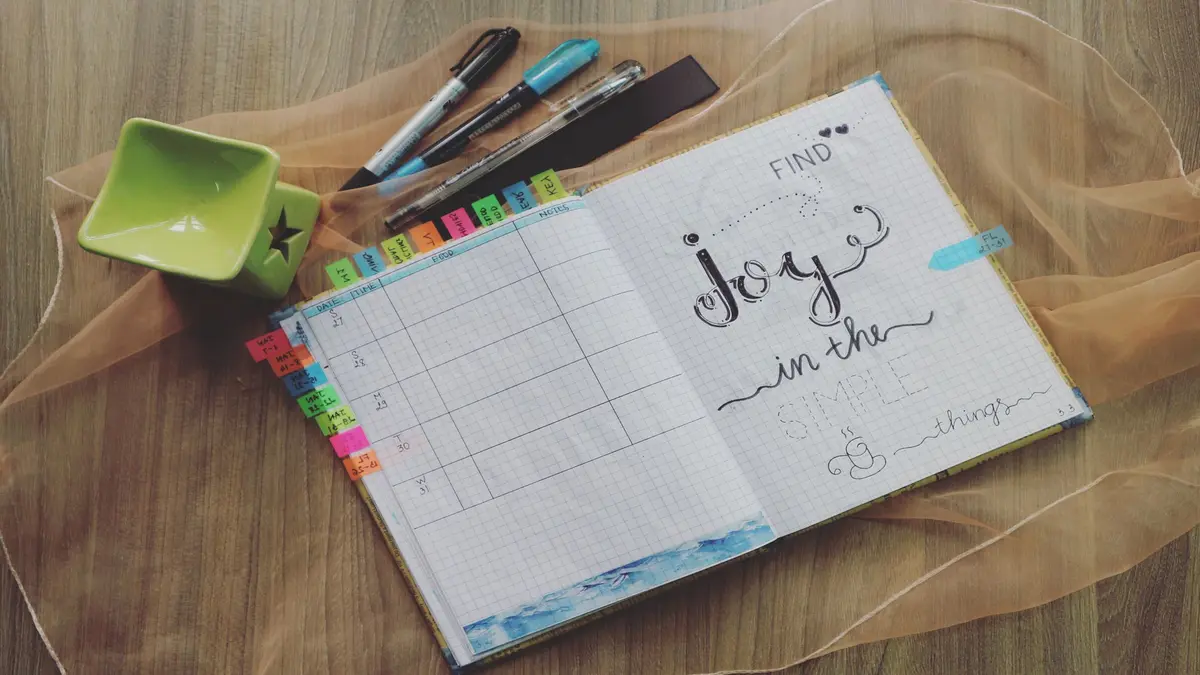
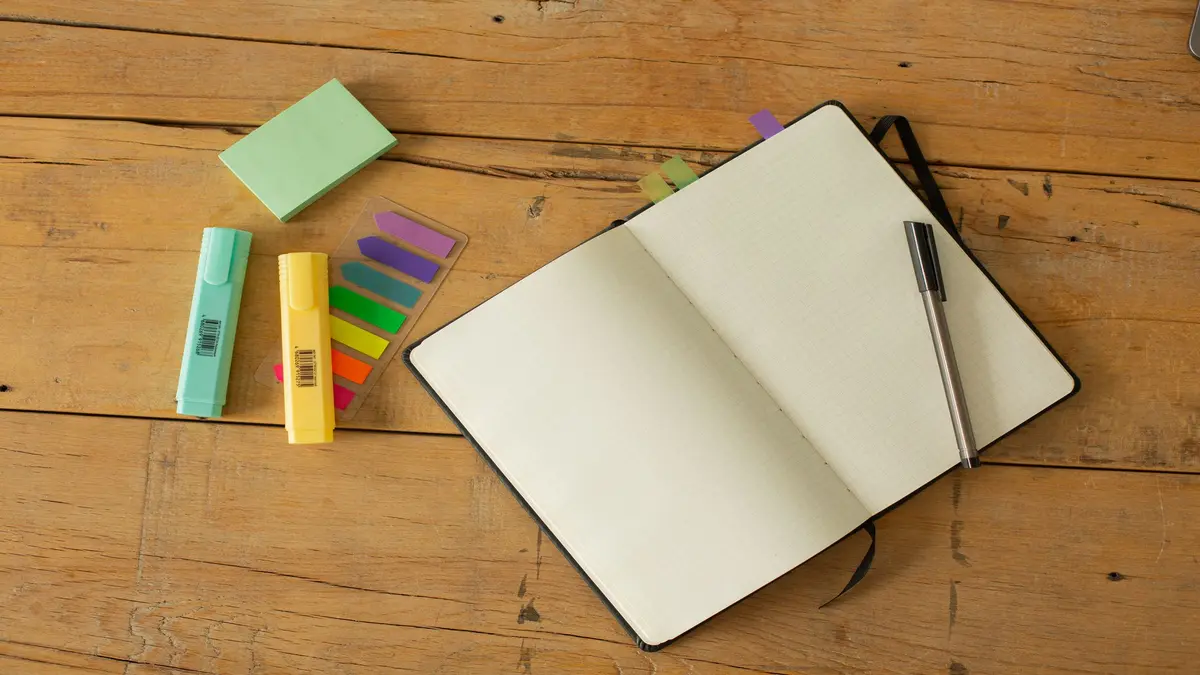
- Color-code or use sticky notes as flags in your notebook: Quickly flip to important spots or priorities.
- File or staple important notepad pages if you need a temporary physical record.
- Digitize when needed: Photograph, scan, or copy key sticky notes or notepad pages before discarding if you might need them again.
Bottom Line
There’s no single “best” paper tool for every situation:
- Use sticky notes for short-term, highly visible reminders and flexibility.
- Use notepads for quick lists, passing notes, or jotting down things you don’t need to keep.
- Use notebooks for everything you want to remember or organize over longer periods.
Think about where your notes go, how long they need to last, and how easy you want it to be to find them tomorrow, next week, or six months from now. Picking the right paper tool makes staying organized a lot less frustrating.