Why Do Some Sticky Notes Fail to Stick?
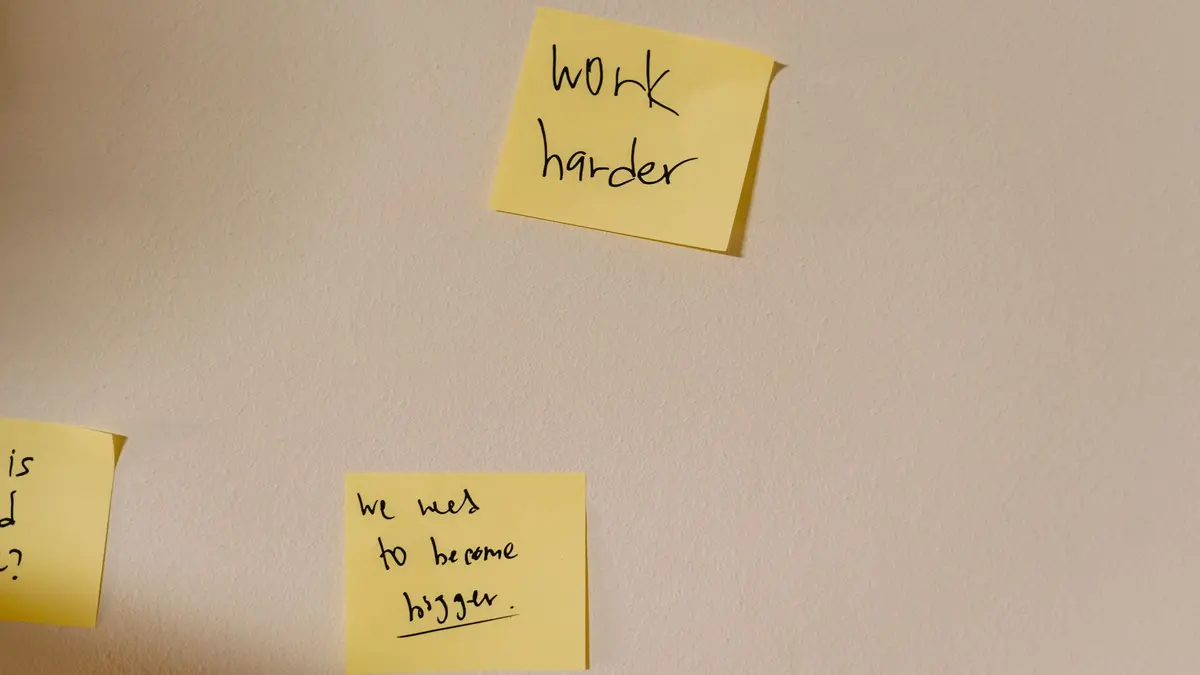
It’s a common scenario: you jot down a reminder, pop a sticky note on your monitor, and an hour later it’s curled up or fluttering to the ground. This isn’t just irritating—it makes these notes unreliable for actual reminders and organization. But not all sticky notes fall flat (literally). The differences come down to a few key details: adhesive quality, paper type, and matching the right note to the surface.
The Main Types of Sticky Notes
Sticky notes are everywhere, but they’re not all built the same. Here’s what you’ll usually find:
- Standard/Original Sticky Notes: The basic kind, often in pastel colors. They’re designed for light use and smooth, clean surfaces.
- Super Sticky Notes: These use a stronger adhesive, made to grip rough, vertical, or textured surfaces for longer.
- Recycled or Eco-Friendly Notes: Often made partly from recycled paper; stickiness can vary.
- Novelty and Decorative Notes: Fun shapes or designs that sometimes skimp on adhesive quality.
- Specialty Notes (Translucent, Divider, Planner-specific, etc.): Made for particular uses, materials can affect performance.
Real-World Frustrations (and Why They Happen)
Many people feel let down when a sticky note lets go, curls up, or leaves residue—a regular complaint in online communities. The reasons include:
- Weak or low-quality adhesive, often in off-brand or decorative notes
- Surfaces that are dusty, greasy, or too textured
- Repositioning the note too many times (stickiness fades)
- Environmental factors like humidity or heat
Novelty shapes are often cute, but many users complain these are especially prone to losing their grip or curling. Decorative options are fun for gifts, but aren’t always reliable for actual reminders or labeling.
Which Sticky Note Brands and Types Stick Best?
Evidence from Product Comparisons and User Tests
Independent comparisons and community tests consistently show the following:
- 3M Post-it Super Sticky Notes come out on top for reliability on a wide range of surfaces. The special adhesive is formulated to resist curling and works well on walls, vertical boards, wood, glass, and even some plastics.
- Standard 3M Post-it Notes are decent for horizontal, clean, smooth surfaces—but not as good on textured or vertical surfaces.
- Alternatives like Apli (common in Europe), Lyreco, and Office Depot can hold their own, but typically only the premium or “extra sticky” models come close to the Super Sticky performance.
- White label, non-brand, and novelty sticky notes (such as those from value retailers or in fancy shapes) are the most likely to curl, fall off quickly, or fail to adhere after a few moves.
A 23-product comparison (Medium, 2023) confirms that strong adhesive is the main differentiator—and that brand matters, especially for important notes that need to stay put.
Are Eco-Friendly or Recycled Sticky Notes as Good?
Some recycled or “green” sticky notes perform well, especially if they’re name-brand versions like Post-it’s own recycled line. However, some cheap recycled notes use a lower-grade adhesive that can lead to quick failures, especially on vertical surfaces or textured materials.
Specialty Notes—Translucent, Dividers, Planner-specific
- Translucent notes (e.g., Stalogy, Bonomemo, Cloth & Paper, Midori) look great for marking pages or annotating over images, but have less adhesive area and don’t stick as tenaciously as standard notes. They hold up well in notebooks and light-duty applications but may slide off glossy paper or textured planners.
- Planner inserts and divider stickies (e.g., Midori, Kokuyo) generally work well with compatible paper but won’t always stick to plastic or thicker divider tabs.
What Makes a Sticky Note Actually Sticky?
The Role of Adhesive
There’s no magic formula, but several details matter:
- Type of adhesive: Acrylic-based glue (as used in name brands) is more effective and durable than cheaper glues or non-solvent options found in generic brands.
- Amount of adhesive: More surface area covered, the better the grip. Some “value” pads use a very thin or partial glue strip.
Paper Quality and Thickness
Thicker sticky notes can resist curling, but if the paper is too heavy, the adhesive may not support its weight for long periods. Ultra-thin notes may crinkle or curl, especially in slightly humid environments. Most office-grade notes are optimized for a balance between paper weight and adhesive hold.
Which Surfaces Do Sticky Notes Stick To Best?
- Smooth, clean, horizontal surfaces (desk, notebook, printer): Most sticky notes, even basic ones, will stay for a day or two if undisturbed.
- Upright or vertical surfaces, lightly textured walls, doors, glass: Only super-sticky (often branded) notes can be trusted for consistent gripping.
- Curved or uneven surfaces: Only the stickiest notes have a chance, and even then, expect a shorter lifespan.
Practical Tips for Avoiding Sticky Note Failures
How to Maximize Grip
- Surface prep: Wipe surfaces free of dust, oil, and residue before sticking.
- Firm pressure: Press along the adhesive strip for a second; don’t just slap it on.
- Choose the right note for the surface: Use super sticky notes for walls, cabinets, or anywhere vertical.
- Avoid reapplying: Stick, and leave it be. Each peel lowers adhesive strength.
- Don’t overload with writing: Heavy ink (especially at the adhesive strip) can break down the glue.
- Replace before they curl: Even the best sticky notes have a lifespan—swap them out for long-term postings.
When to Use Each Type
- Short reminders at your desk: Standard sticky notes work fine if you stick to smooth, clean locations.
- Longer-term reminders, labels, or important lists: Only use super sticky or premium models—otherwise they’ll eventually fall (at the worst time).
- Notebooks, planners, books, or annotating documents: Standard or specialty sticky notes are fine, but avoid heavy writing near the adhesive.
What About Digital Sticky Notes?
While most frustrations are with the physical kind, people also use digital “sticky note” apps on desktops or phones. These naturally don’t face adhesive issues, but they can get lost in the digital clutter or require extra software to sync across devices. They’re a different solution, best for quick computer reminders rather than physical organization, and aren’t a direct replacement for real sticky notes on actual objects.
Quick Comparison Table: Sticky Note Types
| Type | Best For | Stays Stuck To | Weaknesses |
|---|---|---|---|
| Standard (original) | Desks, notebooks, short use | Smooth, flat, clean | Falls off walls, curls faster |
| Super Sticky (e.g. 3M) | Walls, doors, textured surfaces | Most surfaces | Slightly costlier |
| Recycled/Eco | General use | Varies | Some are weaker than originals |
| Novelty/Decorative | Gifting, light tasks | Varies | Often frustratingly weak |
| Translucent/Specialty | Planning, annotating, books | Paper, some plastics | Not for vertical or wall use |
Final Thoughts: Choosing Sticky Notes That Won’t Disappoint
If you’re tired of collecting sticky notes from the floor or watching reminders curl up and vanish, stick to well-known brands for important notes—especially if you need them to stay in place for more than a few hours, or on a vertical or non-traditional surface. Basic sticky notes are okay for light, temporary reminders, but when reliability matters, “super sticky” is more than just a marketing term—it’s something you’ll notice in everyday use. For planners and specialty needs, test a small pack first to check how they work with your materials.
In short: The best sticky note is the one that actually sticks where you want it, for as long as you need. Understanding the differences helps you choose the right tool, prevents frustration, and keeps your reminders—and your sanity—right where they belong.