Why Pen Storage Matters
Pens are simple tools, but storing them the wrong way often leads to dried-out tips, leaky barrels, or pens that simply stop working. The best way to store a pen depends on the type of ink and the mechanism inside. Storing the wrong pen upside down, horizontally, or even in a hot room can shorten its life and cause messes or frustration when you just want to write something down.
This guide explains what matters for storing the most common pen types: ballpoint, gel, fountain, and marker pens. You’ll find clear do’s and don’ts for each, plus some general advice that helps most people avoid the typical pen problems.
How Position Affects Different Pen Types
You’ve probably noticed pens sometimes write inconsistently, leak, or dry out between uses. Most of these issues come down to three things:
- Gravity (how ink sits inside the pen)
- Air (which can dry ink out)
- Temperature (which can make ink leak or get sticky)
The best storage position for a pen isn’t just about tradition. Here’s a breakdown by type:
Ballpoint Pens
How they work: Ballpoints use a thick, oil-based ink and a small rolling ball to deliver it to the page. The ink only moves when the ball turns, but gravity helps keep it ready at the tip.
Best storage: Tip down (vertical, with the writing tip pointing down)
- This keeps the ink at the ball, which prevents dry starts and helps ink flow smoothly when you need it.
- Also works fine to store horizontally, but vertical tip down is best if you use the pen less often.
Avoid: Tip-up storage for weeks at a time—the ink can settle away from the tip and cause skipping or false dry-out.
Always: Cap or retract the tip to keep air out, which prevents thick ink from drying at the ball and clogging the mechanism.
Quick Ballpoint Storage Summary
- Best: Vertical tip-down in a pen cup or case
- Okay: Flat/horizontal
- Not recommended: Tip-up for long periods or in direct heat
Gel Pens (and Rollerballs)
How they work: Gel and rollerball pens use water-based or gel-based ink, which is smoother but more prone to drying out or leaking if not stored correctly.
Best storage: Horizontal (lying on their side)
- This keeps the ink evenly distributed along the tip and reservoir, preventing air bubbles and leakage.
- For capped gel pens, capping tightly is important. For retractable gel pens, always retract fully.
Avoid: Tip-up storage—can cause air gaps, dry starts, or inconsistent flow.
- Tip-down is riskier for leaky pens, as the thinner ink may pool at the tip.
Always: Store them in a cool, dry place. Heat will dry the ink, and humidity might cause gumming or sticky tips.
Quick Gel Pen Storage Summary
- Best: Horizontal in a drawer, tray, or case
- Okay: Tip-down for capped pens, but may increase leakage risk
- Not recommended: Tip-up for long periods or exposed to heat
Fountain Pens
How they work: Fountain pens use a liquid ink reservoir that feeds ink to the nib via gravity and capillary action. This makes them more sensitive to storage conditions than most pens.
Best storage for everyday use: Horizontal (on their side) or tip-up
- Horizontal storage keeps the ink in contact with the feed and nib, so it’s ready to write but less likely to leak.
- Tip-up storage (vertical, nib up) is also common and helps reduce leaks—especially for travel, where altitude or bumps could push ink out.
Avoid: Tip-down storage for long periods—can cause leaks, oversaturation, or ink pooling around the nib and inside the cap.
Always: Cap well after use. Never store with the nib exposed (dries fast, may clog the feed). Clean out the pen if you won’t use it for a week or more; dried ink can clog even a good fountain pen.
Additional tips:
- Store in a cool, stable place—heat or constant temperature changes increase leaking risks.
- For long-term storage, empty and flush the pen first.
- Store pens in a pen case, drawer, or closed box to slow ink evaporation (but don’t make it fully airtight, as this might increase the risk of corrosion, especially on metal parts).
Quick Fountain Pen Storage Summary
- Best: Horizontal or vertical, tip-up, capped tightly
- Okay: Any position if cleaned and empty
- Not recommended: Tip-down for long periods, or in hot/sunny spots
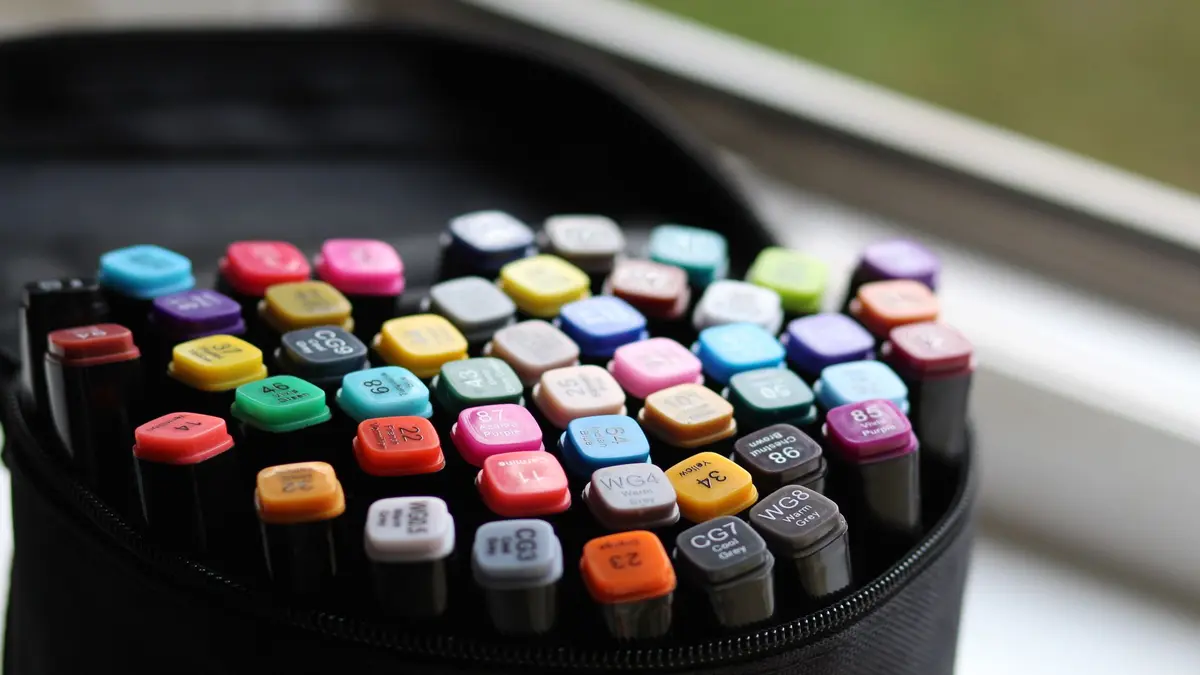
Markers, Highlighters, and Brush Pens
How they work: These pens usually have fiber or felt tips that need to stay saturated. They can use water, alcohol, or oil-based ink.
Best storage:
- For single-tip markers: Tip down or horizontal
- Tip down keeps the ink near the tip.
- Horizontal is safest for brush pens or markers with multiple tips (like double-ended drawing markers); it keeps both tips saturated evenly.
- For alcohol-based and paint markers: Horizontal storage works best—keeps pigment and carrier evenly spread, crucial for double-sided or artist markers.
Avoid: Tip-up storage—ink can drain away from the tip, leading to dry starts or streaks.
Always: Cap tightly after use. Solvents (water, alcohol) evaporate quickly, so even a slightly loose cap dries these pens fast.
Quick Marker Storage Summary
- Best: Horizontal (especially for artist, brush, or double-ended types)
- Okay: Tip-down for single-tip classroom/highlighter markers
- Not recommended: Tip-up (dries out the tip), exposure to heat or open air
General Storage Environments: What to Avoid
No matter the pen type, the following advice applies almost everywhere:
- Keep out of direct sunlight. Heat speeds up ink evaporation (especially in cars, by windows, or under lamps).
- Avoid damp or humid spots. High humidity can cause ink thickening, mold, or corrosion in metal parts, especially nibs.
- Temperature extremes hurt pens. Both hot and very cold environments change ink consistency, encourage leaks, and can damage plastic components (warping or brittleness).
- Never leave pens uncapped. Even pens that retract should be closed up when not in use. Air is the enemy for water-based and gel inks especially.
- Use a case or designated drawer. Randomly tossing pens in bags or loose pencil cases damages tips, bends clips, and increases the risk of uncapped pens leaking onto everything else.
Quick Reference Table: Storing Pens by Type
| Pen Type | Best Position | Alternate OK | Avoid | Other Tips |
|---|---|---|---|---|
| Ballpoint | Tip down (vertical) | Horizontal | Tip-up long-term | Retract/cap; not in direct heat |
| Gel/Rollerball | Horizontal | Tip down (capped) | Tip-up/hot areas | Cap tightly; avoid humidity |
| Fountain pen | Horizontal/Tip up | Empty: any | Tip-down long-term | Cap tightly; clean if storing long-term |
| Marker/Highlighter | Horizontal | Tip-down (single) | Tip-up | Cap tightly; horizontal for double-ended pens |
Common Pen Storage Mistakes (and How to Avoid Them)
- Leaving pens uncapped: This is the fastest way for any pen with water/gel ink or felt tips to dry out.
- Storing all pens upright/tip-up in a cup: Fine for ballpoints, not for most other types.
- Storing pens in hot cars or by windows: Dries out ink, can warp plastic, encourages leaks.
- Mixing pen types in a bag or case: Tips can bend or break, leading to false dry-outs and frustration.
- Not checking the cap: Even a slightly loose cap dries out many pen types. Markers and fountain pens in particular.
What If a Pen Seems “Dried Out” Anyway?
If you’ve stored a pen correctly but it still won’t write, try these basic troubleshooting steps before throwing it out:
- For ballpoints: Scribble gently, warm the tip (briefly) with your hand, and check the refill. Tap or shake gently, tip-down.
- For gel pens: Scribble on scrap paper, gently roll the pen, check for air gaps at the tip.
- For markers: Store tip-down for a few hours, recap and wait (to let gravity re-saturate the tip).
- For fountain pens: Try priming (dipping the nib in water), or flush and refill. Always recap after use.
If these steps don’t work, the ink may be used up or dried fully, or the pen itself is clogged beyond simple fixes.
Final Thoughts
There isn’t one perfect pen storage method for every pen. The key is understanding the needs of the pen you use most and making a habit of capping, closing, and protecting them from heat and air. Small adjustments—like laying your gel pens flat or standing up your ballpoints—take seconds, but they help keep your pens ready to write when you need them and save money and hassle in the long run.