Why Do Pens Dry Out Before the Ink Is Gone?
It’s frustrating to pick up a pen you haven’t used in a while, only to find it won’t write even though there’s still plenty of ink inside. The main cause is evaporation: air gets into the ink chamber or the tip, causing the ink or solvent to dry up. This can happen surprisingly quickly depending on the pen type and how you store or use it.
But not all pens dry out in the same way, and a few simple storage and handling habits make a big difference. Here’s how to help your pens last longer and keep writing smoothly.
What Makes Each Type of Pen Dry Out?
Different pens use different inks and mechanisms, so they have different risks when it comes to drying out.
Ballpoint Pens
Ballpoints use thick, oil-based ink. The design is less prone to evaporation because the ink is more viscous, but they can still dry out if left uncapped or stored carelessly. Common issues include ink thickening near the tip or air getting into the cartridge.
Typical causes of drying out:
- Leaving the pen uncapped (if it has a cap)
- Clip mechanism left extended (retractable types)
- Storing tip-up for long periods, causing ink to flow away from the tip
- Extremely hot storage (thickens or dries ink)
Gel Pens and Rollerball Pens
Both use water-based ink that’s more vulnerable to air. Gel pens offer vivid lines but dry out faster if left exposed. Rollerballs, with their liquid ink, often stop working if air dries up the tip.
Typical causes of drying out:
- Capping errors or uncapped storage
- Unretracted tips
- Storing the pen tip-up for long periods (air enters the tip)
- Storing in very dry or hot environments
Fountain Pens
Fountain pens use liquid ink fed by capillary action. They’ll dry out if left uncapped, if the cap doesn’t seal well, or in low-humidity conditions. Dried-up nibs, clogged feeds, and thickened ink are common complaints.
Typical causes of drying out:
- Cap not sealing properly; left uncapped even briefly
- Rare use (weeks between uses)
- Improper cleaning, leaving debris to clog the feed
- Storing tip-down (ink leaks or floods the nib)
- Long-term storage without cleaning out ink
Pen Storage: Orientation Matters
How you store your pens when not using them is one of the most important factors. Here’s what works best for each type:
| Pen Type | Best Storage Orientation | Why |
|---|---|---|
| Ballpoint | Tip down | Keeps ink at the ball; ready to write |
| Gel | Horizontal (sideways) | Keeps ink at the tip; prevents leaks |
| Rollerball | Horizontal (sideways) | Even ink flow; avoids dry tip |
| Fountain | Horizontal ideally; tip-up if long storage | Prevents leaks; keeps nib wet but not flooded |
A few points to consider:
- Never store pens tip-up for long periods. Ink flows away from the tip, increasing evaporation and dry starts.
- Horizontal storage is a safe choice for most pen types, especially if you store different ones together.
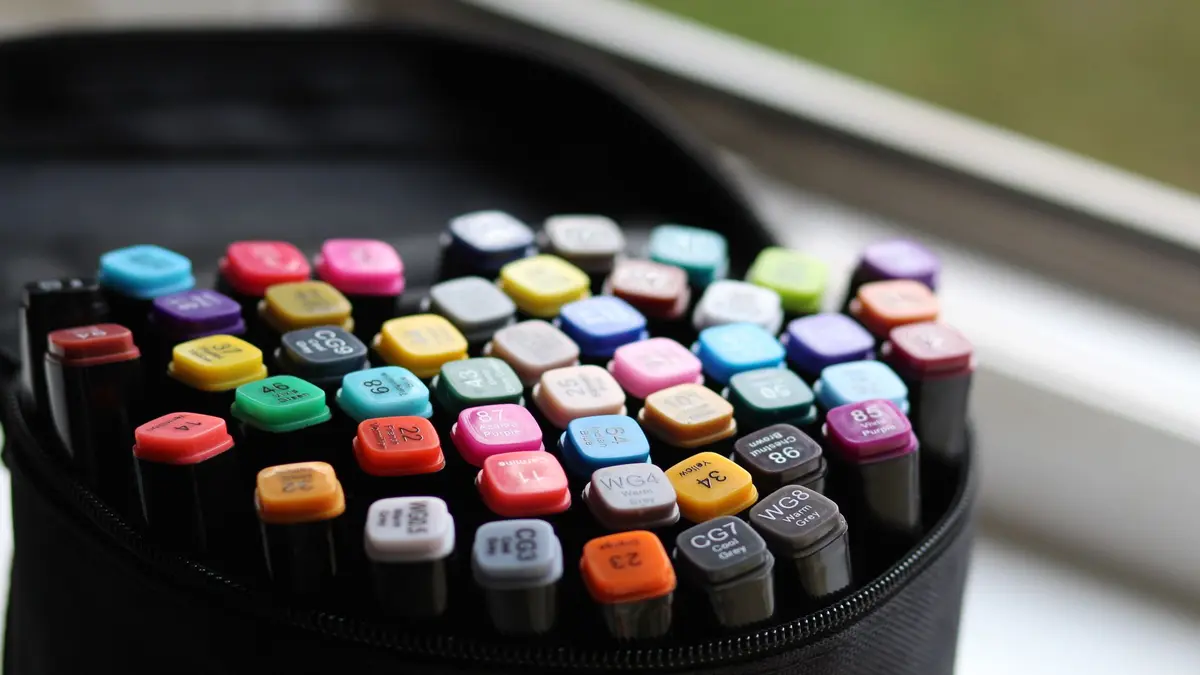
- For paint markers, double-ended markers, and brush pens: Store horizontal so both ends stay moist.
- For high-end or leaky fountain pens: Tip-up is safest for long-term storage to avoid inky messes, but for daily use, horizontal is fine.
Capping and Retraction: Daily Habits That Matter
Most dried-out pen problems come down to simple daily habits.
- Always cap your pen or retract the tip when not using it. Even brief exposure to air can start the drying process, especially for gel, rollerball, or fountain ink.
- Don’t rely on pocket clips alone for capping. If you have click pens, retract the tip. For cap-type pens, check the cap is snug and airtight (you may hear a soft ‘click’).
- For jotting notes: If you pause for more than a few seconds, recap the pen.
- Regularly check that caps and mechanisms work well. Worn, cracked, or loose caps allow air to enter and dry out the ink.
The Right Environment: Temperature, Humidity, and Exposure
Your storage spot makes a difference. Ink evaporation accelerates with high heat and dry air. Here’s what helps most:
- Room temperature is ideal. Avoid storing pens in hot spots (window ledges, car dashboards, next to radiators).
- Avoid dry, drafty areas. Desert climates and over-air-conditioned offices dry out ink faster. If you have many pens drying out, try storing them together in a drawer or closed box, where humidity is a little higher.
- Keep away from sunlight. Direct light accelerates drying and can fade ink.
- Humidity helps fountain pens, but too much moisture damages metal finishes and can cause mold. A closed box, not airtight, works best.
Tip: If you notice a pen often drying out in a specific spot (like on top of a monitor or AC vent), move it to a drawer or a shadier spot.
Airtight and Protective Storage
If you have pens you don’t use regularly, a little extra protection helps:
- For long-term storage, use a zippered pen pouch, closed box, or even a resealable bag to slow evaporation. Squeeze out excess air before sealing.
- Do not fully airtight store everyday-use pens for months—especially not fountain pens with ink in them, as this can lead to corrosion and mold due to trapped moisture.
- Keep refills in original packaging until use. The factory seal prevents premature drying.
Special Tips for Each Pen Type
Ballpoint Pens
- Store tip down in a cup if possible. Gravity keeps thick ink near the ball for smooth starts.
- Retract or cap the tip every time you’re done.
- Unused for many months? Uncap briefly and scribble to get the ink flowing.
- Avoid shaking a reluctant ballpoint. If dried, test on scrap paper—sometimes heat from fingers or slight friction can get the ink moving again.
Gel Pens and Rollerball Pens
- Store horizontally so air doesn’t dry out the tip or cause leaks. If you must use a pen cup, cap down is slightly better than tip up.
- Cap tightly after use. Gel and rollerball ink dries very quickly once exposed to air.
- Don’t expose to heat or sunlight—ink consistency changes, and dried-out tips clog easily.
- If a gel or rollerball dries, try scribbling circles or gently warming the tip between your hands.
Fountain Pens
- Store horizontal for regular use—prevents flooding and keeps the nib moist.
- Tip up for long-term storage (weeks or more). Prevents ink leaks and is safer for rarely used pens.
- Always cap securely (many modern pens have inner seals; check yours).
- Clean regularly. Dried ink in nibs or feeds is a leading cause of “dry” pens. Flush with water or pen flush.
- For stubborn dry outs, dip the nib in water, wipe, and try writing. If not, clean more thoroughly.
- In very dry climates, a closed box or bag helps, but don’t create a humid microclimate: balance is best.
Markers, Brush Pens, and Highlighters
- Double-ended? Store horizontal so both tips stay fresh.
- Cap tightly—evaporation is the biggest problem for these.
- Store away from sunlight.
What Doesn’t Help (and Common Mistakes)
- Tip-up storage for everyday pens. Leads to dry tips.
- Leaving pens in hot cars, on window sills, or near heat vents. Dries ink quickly and sometimes ruins pens.
- Loose or missing caps. Even 30 minutes uncapped can affect water-based pens.
- Overly airtight containers for long-term storage of humid pens (fountain, rollerball). Can eventually cause corrosion or mold.
- Skipping cleaning on fountain pens. Leads to clogged feeds and nibs, causing “dry start” issues.
- Forcing out ink (with heat or pressure) when the true cause is a clogged or dried tip. Always check for signs of old, thickened ink.
Quick Checklist for Maximum Pen Longevity
- Cap or retract your pen after every use—no exceptions.
- Store your pens the right way: ballpoints tip down, gel and rollerballs sideways, fountain pens horizontal or tip up.
- Avoid storing pens in direct sunlight, in hot cars, or near heaters.
- Use a protective case or pouch for valuable pens or long-term storage.
- Clean fountain pens regularly—especially before storing for weeks.
- If you notice a pen drying out often, adjust its storage spot or orientation.
Most pen dry-out problems come from a few everyday habits and environmental factors. Pick storage and usage routines that match the type of pen you’re using, and you’ll have ready-to-write pens and much less frustration when sitting down to jot a note or start a project.