Why Bullet Journal Mistakes Bother Us
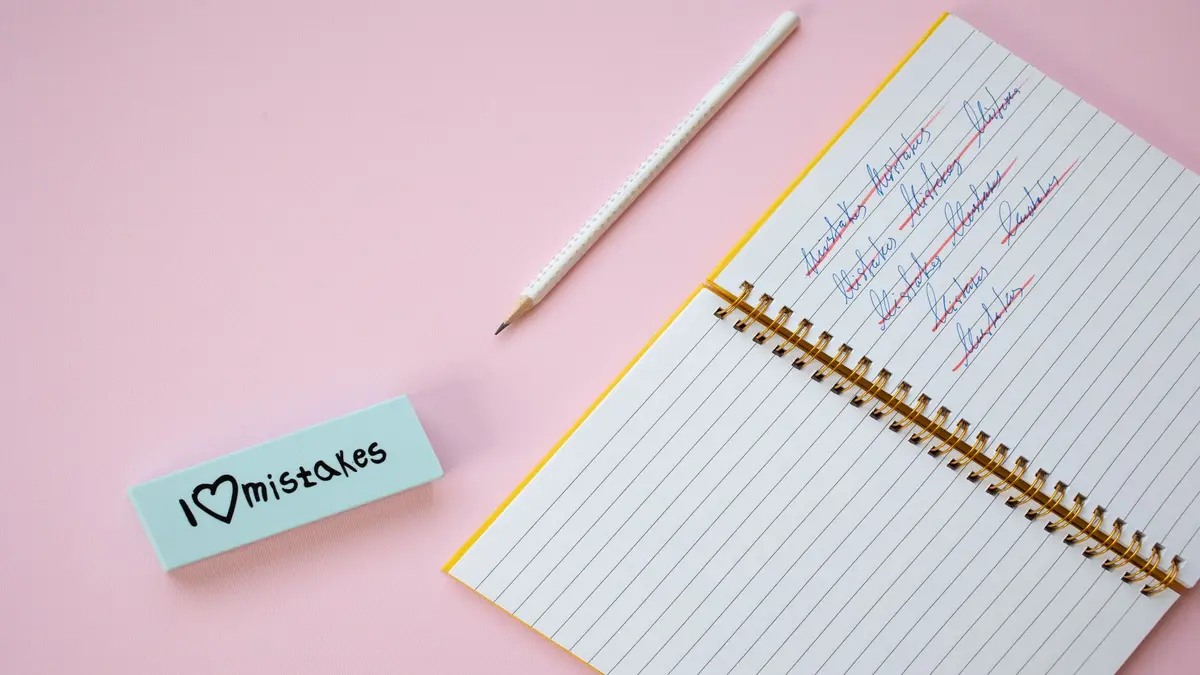
If you use a bullet journal or any paper planner, mistakes are inevitable. You write the wrong date, smudge your ink, misspell a word, or forget a whole entry. For many people, these errors are frustrating—they break up a neatly planned page or leave you tempted to rip out a sheet and start over. The notebook starts to feel less perfect and more like a mess.
But imperfections are part of every journal, no matter how careful you are. Even the most experienced journalers admit that smudges, crossed-out words, and sections that never get filled in are just daily realities. What matters is having practical ways to deal with these mistakes—whether you want to fix them, disguise them, or simply move on.
Below are common bullet journal errors and realistic, widely used ways to handle them.
Quick Fixes: How to Correct Simple Mistakes
Some mistakes just need a fast, precise fix. Here are the most reliable options:
Correction Tape and White-Out
- Correction tape is the easiest tool for covering written mistakes. It’s less messy than liquid correction fluid and doesn’t have to dry. Just roll it over the error and write on top of it.
- White gel pens (like Uni-ball Signo) are excellent for small mistakes, especially black ink. They let you cover specific letters or lines and rewrite over them when dry. They’re neater and more precise than white-out for spot fixes.
Erasable Pens and Pencils
- If you’re sketching a layout, use pencil first. Lightly pencil in boxes or headers, then ink over when you’re happy, and erase the pencil lines when the ink is dry.
- Some pens, like Pilot Frixion, are erasable, but remember: they can fade with heat, so they’re not great for archival use.
Immediate Corrections
- For a wrong date or a misspelling, you can draw a single line through the mistake, then write the correct word next to or above it. Many people find this is quicker and stands out less than correction tape.
- If you skip a tracker or log entry, just fill it in as soon as you notice—or write a note to remind yourself for next time.
Creative Cover-Up Techniques
When a small correction tape fix isn’t enough—or if you’d prefer to add something pretty—try these common creative strategies:
Stickers and Washi Tape
- Stickers are a popular, easy fix for blotches, smudges, or accidental lines. Cover the spot with a sticker that fits your theme or mood. If you don’t like decorative stickers, simple colored dots or labels work as well.
- Washi tape is flexible and decorative. Lay down a strip over the mistake, and write on top if you need to (opaque washi works best for covering dark ink). Layer different tapes for a creative look.
- Combine a sticker or washi with correction tape for more stubborn or dark errors.
Scrap Paper and Collage
- For larger mistakes, cut a piece of paper (often from the back of the notebook or a notepad with similar paper) and glue it over the problem area. You can leave it plain or decorate it to match your spread.
- Some journalers save blank pages or offcuts for exactly this purpose.
- Layer bits of scrapbook paper, journaling cards, or even pieces of colored construction paper as a collage. It distracts from the mistake and adds texture and color.
Decorative Headers and Doodles
- Turn a messy header into a bold black box or a decorative banner. Use a dark marker or brush pen to block out the area, then write the header over it in white or metallic ink.
- Use stencils to draw shapes (like circles, rectangles, or banners) over lettering mistakes, then rewrite words or dates inside the new shapes.
- If a doodle goes wrong, turn it into something else: clouds, flowers, or an abstract design.
Dealing with Bigger Mistakes
Sometimes an error is too big for stickers or tape—like a whole layout you want to scrap, an illustration you dislike, or a tracker you never used.
Glue or Tape the Pages Together
- If a spread feels genuinely unusable or bothers you too much, simply glue or tape the pages together and move on. A double-sided tape runner does this neatly with less chance of warping the book than liquid glue.
- Use this as a last resort—pages disappear fast this way, and it’s easy to end up with a much thinner journal or lost reference info.
Patch with Spare Paper
- Cut a whole page-sized piece of spare paper and glue it over the spread you don’t want. Start fresh on top. This keeps your journal intact and lets you reuse the space.
Starting Fresh Isn’t Required
- Most experienced journalers agree: you rarely need to start a whole new notebook because of a mistake. One or two “bad” pages won’t spoil everything.
Embracing Imperfection: The Mindset Shift
Every journal shows mistakes—it’s just more visible with bullet journals than with pre-printed planners. Trying to keep everything perfect will slow you down and might even stop you from planning or reflecting.
Journalers who’ve been at it a while often share the same advice:
- See mistakes as part of the story—over time, they remind you how your planning style changed or what you learned.
- Imperfect layouts and unused trackers show what doesn’t work for you, which is valuable feedback.
- If a blank or messy bit bothers you, look at it as another chance to try a new lettering style, add art, or simply document what happened that week.
- Some people even write a little note beside the error, like “Wrong date. Tried again,” for transparency.
Prevention Tips: Minimizing Mistakes
While errors are normal, a few habits can reduce how often they crop up:
- Pencil in layouts and headers, especially if you’re trying a new spread style.
- Wait for ink to fully dry before erasing pencil lines or closing the journal.
- Keep correction supplies (tape, stickers, paper scraps, fine white pens) nearby.
- Use simple spreads when you’re busy and don’t have time to decorate—less risk of mistakes under pressure.
What Works for You?
There’s no single “right way” to fix, cover up, or accept mistakes in your journal. Some people love covering everything up so their pages look polished. Others leave their crossed-out words and empty boxes as a kind of timeline of their real life.
If you find yourself stuck on a mistake, try one of the fixes above. If you do it differently next time, that’s all part of figuring out your planning style. Over time, most people become less stressed about minor imperfections and see them as just part of having a real, living journal.