Why Bullet Journaling Consistency Can Be Hard
A bullet journal can be a powerful organizational tool, but it’s easy for even the most enthusiastic planner to fall out of the habit—especially if you’re busy, your schedule is unpredictable, or you’re prone to perfectionism. Many people start with the best intentions and then end up leaving half-filled notebooks, overwhelmed by elaborate spreads, or feeling guilty when they skip days or weeks.
This guide is for anyone who wants to use a bullet journal but struggles to make it stick. The good news: you don’t have to be perfect, artistic, or even consistent from week to week to benefit. With a handful of practical, low-barrier strategies, you can make journaling something you can return to—no matter how chaotic life gets.
Make Your Journal Easy to Access and Use
Keep It Visible and Convenient
If your journal is buried in a bag, stashed on a bookshelf, or always closed, you’re less likely to use it. Make it just as easy to reach for your journal as your phone.
Practical tips:
- Leave it open on your usual workspace or bedside table.
- If you’re on the go, keep it in your everyday bag with a pen clipped to the cover.
- Don’t be afraid to write standing up, in bed, on the sofa, or whenever and wherever the impulse strikes.
Design Your Space for Spontaneity
A tidy, welcoming space for journaling helps you return without friction. But your setup doesn’t have to be perfect. It’s more about creating a go-to spot than a picture-perfect desk:
- Clear a small area on your desk or kitchen table.
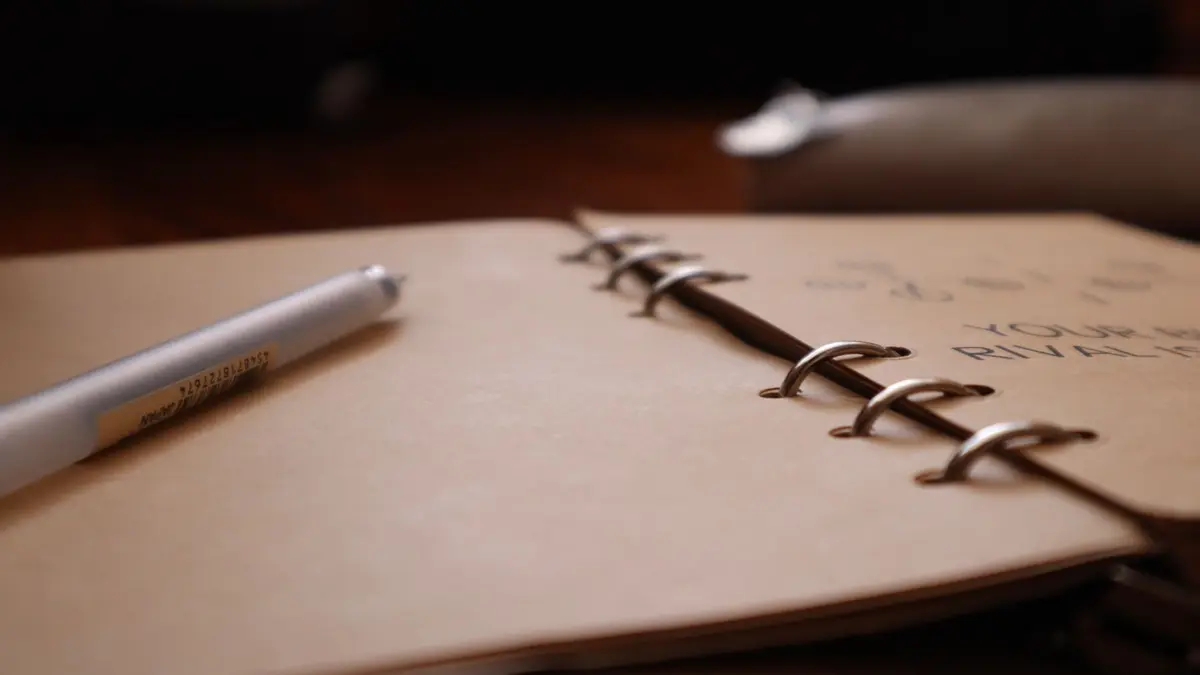
- Store your main pen in the journal as a placeholder, so you never have to look for it.
Build Journaling into Your Routine
Link Journaling to Something You Already Do
Trying to create a brand-new habit from scratch takes willpower—something that’s often in short supply when you’re busy. Habit stacking (anchoring your journaling to an existing routine) is much easier. Examples:
- After making your morning coffee, sit for 2 minutes and jot your agenda.
- Journal right before you check email in the morning, or after brushing your teeth at night.
- Pair journaling with a regular activity, like listening to a particular playlist or podcast.
Use Reminders—Manual or Digital
It’s easy to forget to journal, especially when your schedule is irregular. Set gentle reminders:
- Calendar notifications or alarms on your phone.
- Leaving your journal where you’ll see it when you finish work or eat breakfast.
- Sticky note on your computer or wall: “Have you checked your journal today?”
Make Returning After Missed Days Easy
Release Perfectionism and Shame
One of the most common reasons people stop journaling is because they feel guilty about gaps or mistakes. But bullet journaling is meant to serve you, not the other way around. There is no penalty for a missed day, week, or month—and you don’t need to start a new journal every time you fall off track.
Here’s what long-time bullet journalists say actually works:
- Simply flip to the next blank page and start again. No explanation required.
- Embrace messy, inconsistent pages. They reflect your real life.
- View your journal as a tool, not an art project. It only has to be useful to you, not “Instagram-worthy.”
Ignore the Gaps—Journaling Is Always There When You Return
Your journal doesn’t mind absences. Just continue as if there was no break—write the current date and carry on. Consider adding a note if it helps, but it’s not necessary.
Reduce Decision Fatigue
Standardize Your Layout or Format
Decision fatigue (having to decide every little detail each time you journal) can quickly put you off. Keep things simple by standardizing how you lay out your pages:
- Use the same basic format each time—a short list for tasks, a tracker box, a brief mood log.
- Skip headers or decorations if they slow you down.
- If you want, create a reusable template you can copy by hand every week or month.
Focus on Function, Not Design
Remember why you want to journal: to plan, track habits, or reflect, not to impress anyone. If a particular spread or layout isn’t helping, drop it. Only keep the elements that make tracking your life easier.
Try Quick Entry Routines
The Two-Minute Rule
When motivation is low, tell yourself you’ll spend just two minutes updating your bullet journal. It’s enough to jot down one or two tasks, review your week, or note what’s important for tomorrow. Often, starting is the hardest part, and you might find yourself staying longer. But if not, you’ve still maintained your streak in a minimal way.
Use Gentle Tracking and Motivation
Track Your Journaling, But Go Easy on Yourself
Some people find it helpful to track the days they journal, not to guilt themselves but to see patterns. Mark days you journaled with a simple checkmark, dot, or smiley face on a calendar spread. Don’t worry about empty spots—see them as opportunities to restart, not failures.
Reward Yourself or Make It Enjoyable
Pair journaling with a small treat: a favorite drink, listening to music, or some quiet time. Journaling can feel more like a mini-break than a chore this way. If you’re motivated by gamification, check off a box or give yourself a sticker when you use your journal.
Embrace Imperfection and Make It Yours
Your Journal Only Has to Work for You
Some of the most helpful advice from regular bullet journal users is to focus on function over form. No spread or handwriting style is “correct.” Your journal can be minimal, sloppy, inconsistent, or decorative as you please. If you change formats every month—or don’t touch your journal for a while—it’s still serving its purpose as long as it’s helpful when you return to it.
If you ever feel the pressure to rip out a page because of mistakes or ugly handwriting, remember: a messy, half-filled notebook is still a useful tool and probably says more about how your life actually flows than a perfectly decorated (but unused) one.
Summary Tips for Busy People
- Start extremely simple—minutes a day or less
- Use only a pen and your current journal
- Keep it somewhere visible and reachable
- Connect journaling to an existing routine
- Set reminders if you need to
- Skip decoration if it slows you down
- Forgive and ignore missed days
- Standardize your layouts to reduce decisions
- Use the two-minute rule when you’re low on time/motivation
- Let go of perfection and make it work for you
Bullet journaling can be flexible, forgiving, and easy to return to, even during the busiest phases of life. Find a habit that works for you, expect periods of messiness or inconsistency, and remember you can always pick it up again—no matter how long it’s been.